Blog › Wiper Maintenance
Wiper Maintenance
Wiper Blade Replacement: Signs, Intervals and the Storage Mistakes That Ruin Rubber
Streaking, skipping and chatter are the signs a blade is done. Here is how to read them, when to replace, and how to store blades so they survive to the customer.
October 21, 2026 · 5 min read
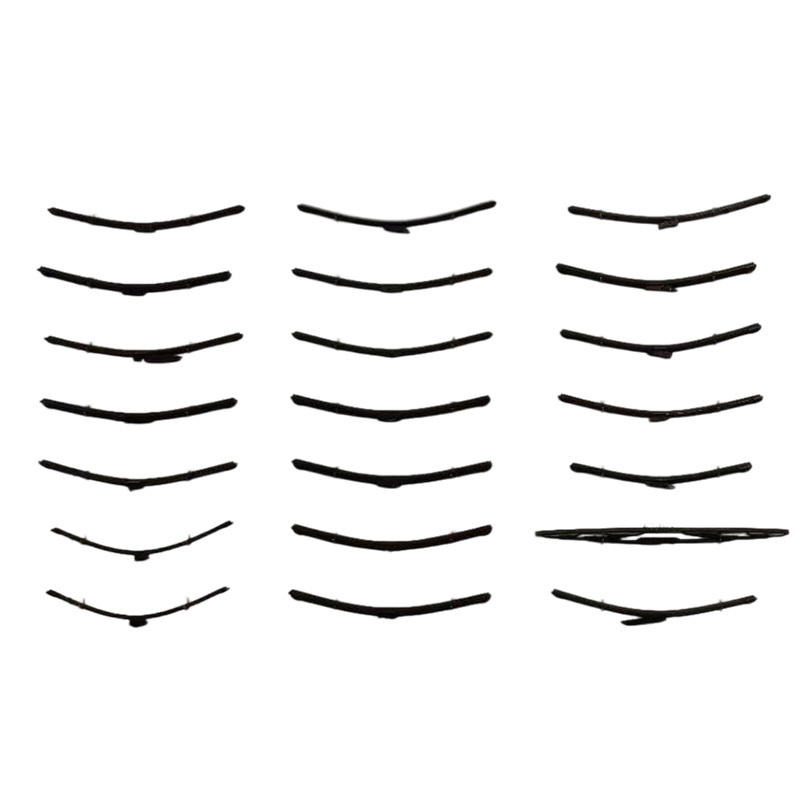
The signs a blade is done
A worn wiper announces itself: streaking that smears water across the glass, skipping or chattering across the windshield, a torn or hardened edge, and a blade that leaves unwiped arcs. Each is a sign that the rubber has lost its edge or its set, and none of them get better with time.
For a workshop or retailer, these symptoms are an easy sell — the customer is already experiencing the problem. The blade is cheap, the benefit is immediate, and the alternative (driving in rain with a degraded blade) is a real safety issue. That is a fast, honest conversion.
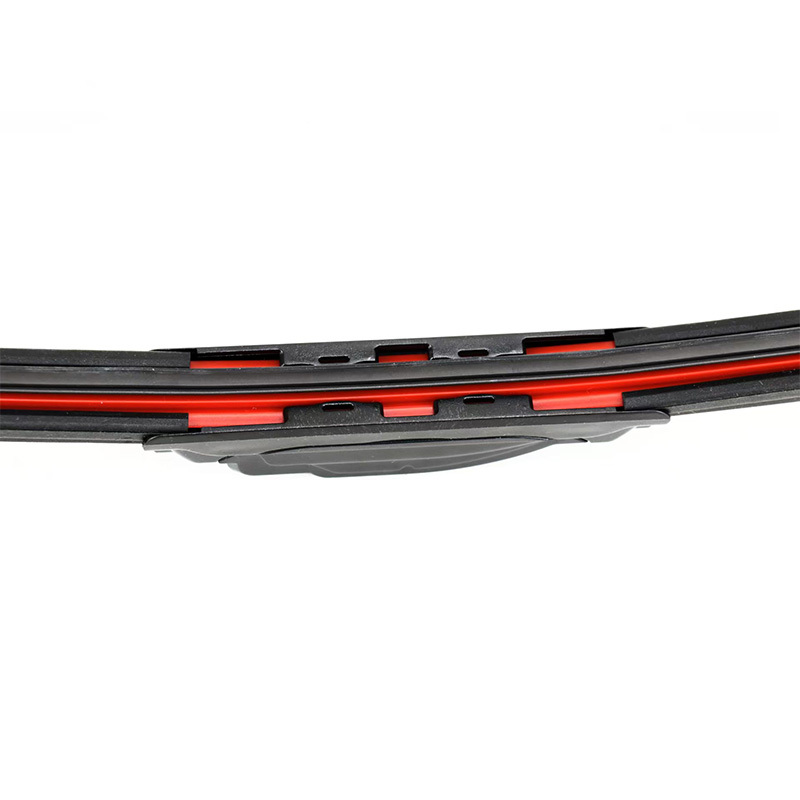
The replacement interval is a season, not a mileage
Wipers wear by sun and weather, not mileage, so the replacement interval is best thought of as seasonal. In temperate climates a blade might last 6–12 months; in hot, sunny or coastal markets, UV and heat cut that sharply, and a blade can harden and streak within months.
This is the exporter’s opportunity: a seasonal replacement reminder, tied to the market’s climate, turns wipers into a predictable reorder. A UV-resistant compound is the difference between a blade that lasts the season and one that fails before the next rain.
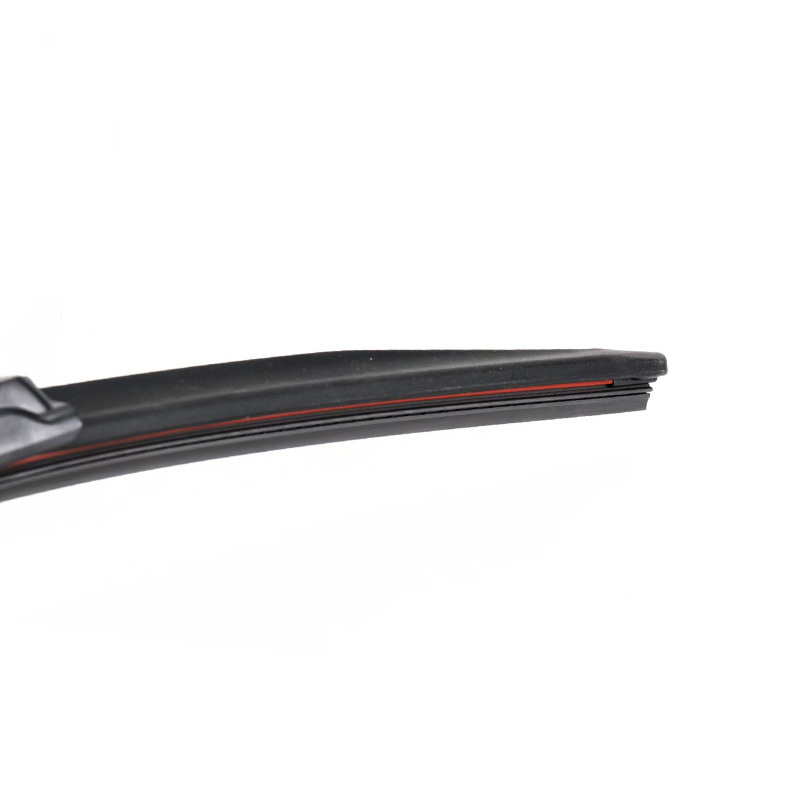
The storage mistakes that kill rubber
Rubber takes a permanent set when it is bent or stored under weight for long periods, and it heat-ages in containers. A blade stored bent or stacked under heavy cartons will skip and streak from the first wipe. Store blades flat, out of direct sun, and avoid stacking heavy cartons on top.
In transit, long thin blades bend if the carton is under-specified. Rigid sleeves and full, correctly-oriented cartons protect the blade curve; a bent beam blade will not conform to the windshield and is an avoidable return. These are small disciplines that protect a product whose value is entirely in clean, streak-free wiping.
A consumable with a built-in reorder
Wipers are one of the most reliable repeat-purchase categories in the catalog: they wear predictably, the customer notices the failure immediately, and the replacement is cheap. The exporter who ships a durable, quiet blade with a seasonal reminder and proper packaging builds a reorder cycle that a box-mover never gets.
Position the blade on compound and durability, not price. A slightly more expensive blade that wipes quietly for a full season earns the repeat order that makes the category profitable.