Blog › Fuel Filter Guide
Fuel Filter Guide
Water Separators and Diesel Fuel Filtration: Cheap Insurance for Poor-Fuel Markets
Water in diesel is the silent killer of injectors. A water-separator filter with a drain is the cheapest protection a fleet owner can buy — and the highest-margin diesel filter.
October 24, 2026 · 6 min read
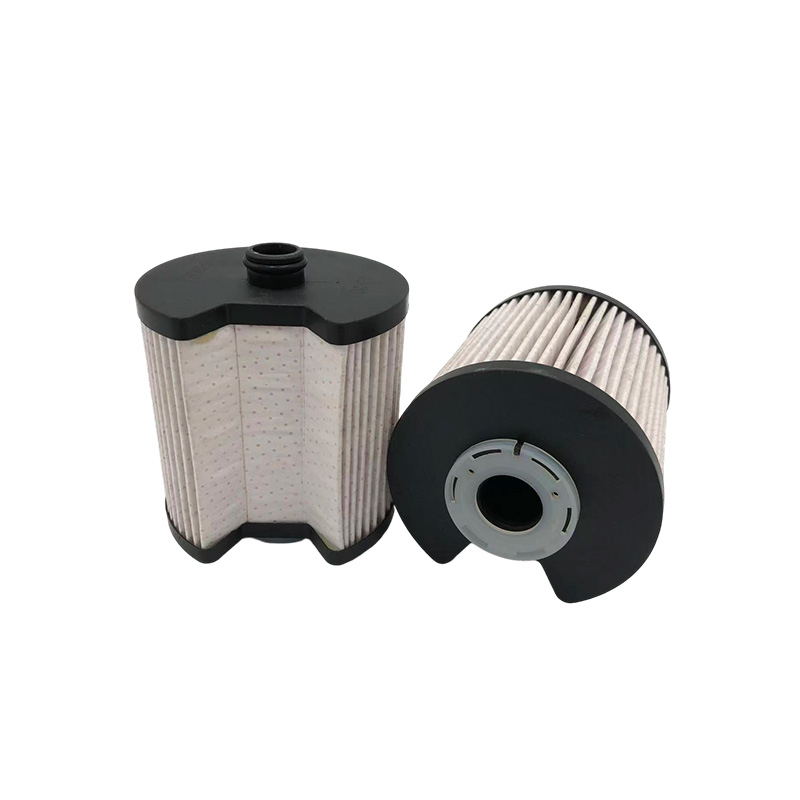
Why water is the enemy of diesel
Water finds its way into diesel through condensation, poor storage and contaminated supply — and in humid or poorly regulated markets, it is a constant. At the extreme injection pressures of a modern common-rail system, water corrodes injector internals and can cavitate and erode them. The result is an injector replacement that costs far more than any filter ever will.
This is why water separation is not an optional feature in the diesel-heavy markets of Africa, Latin America and parts of Asia. It is the difference between a fleet that runs and a fleet that spends its margin on injectors.
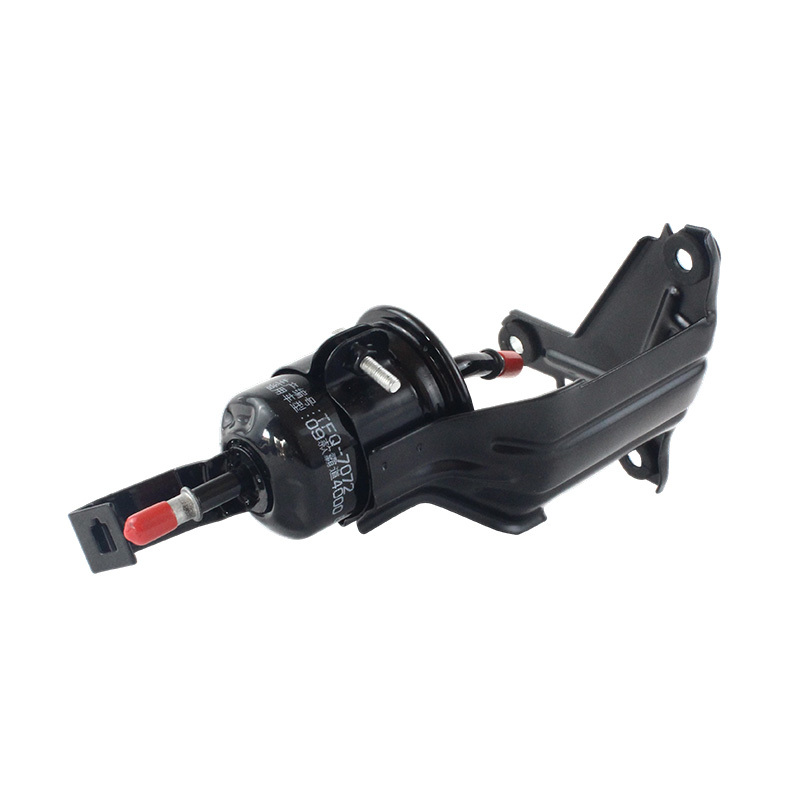
How a separator works
A water-separator filter combines fine filtration with a water-shedding layer and a drain. The media separates and sheds water from the fuel before it reaches the injection system, and the water collects in a bowl or chamber that is drained on a service schedule. The filter catches particles while the separator handles the water.
The design detail that matters is the drain provision and the seal: a separator that is drained on schedule, with a seal that holds in dry heat, protects the injection system reliably. A degraded O-ring that leaks on first install looks like a manufacturing defect even when it is a storage issue.
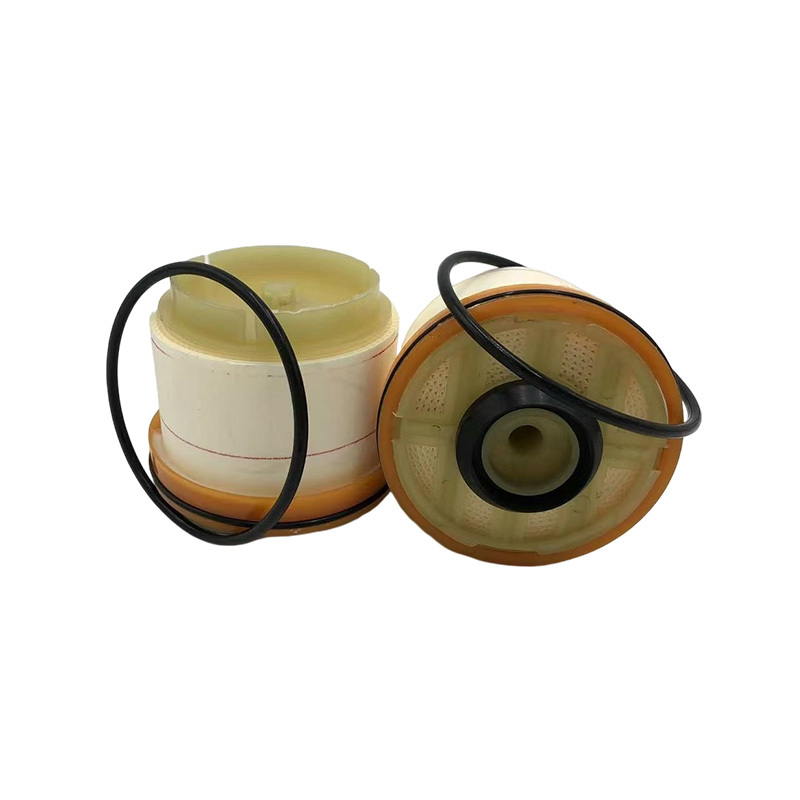
Where this product earns its margin
The water-separator filter is the highest-margin diesel filter for a simple reason: it sells on reliability, not price. A fleet owner who has paid for an injector replacement once will pay a premium for the filter that prevents the next one. The sales story is insurance — “protect a very expensive injection system for the price of a filter” — and it anchors the customer on uptime instead of unit cost.
In markets where diesel quality is inconsistent, the separator becomes the lead product, and the rest of the diesel line rides behind it. That is a positioning opportunity most exporters miss when they list only a spin-on and an inline.
Positioning the line
The right catalog structure is a diesel line that leads with the water separator, backed by the spin-on for passenger and light commercial diesels, and the inline for gasoline. Confirm the thread or quick-connect fitting, the micron rating and the fuel type before quoting, because diesel and gasoline systems need different product.
For storage, protect the bowl and O-rings from dry heat and keep quick-connect seals cool and sealed; degraded seals leak on first install. Small disciplines, but they protect the product that protects the injection system.