Blog › Transmission Filter Maintenance
Transmission Filter Maintenance
Transmission Filter Service: Why the Screen and Gasket Protect Shift Quality
The transmission filter screen is a niche, fitment-critical part where the gasket is half the product. Here is how to sell and spec it correctly.
October 22, 2026 · 5 min read
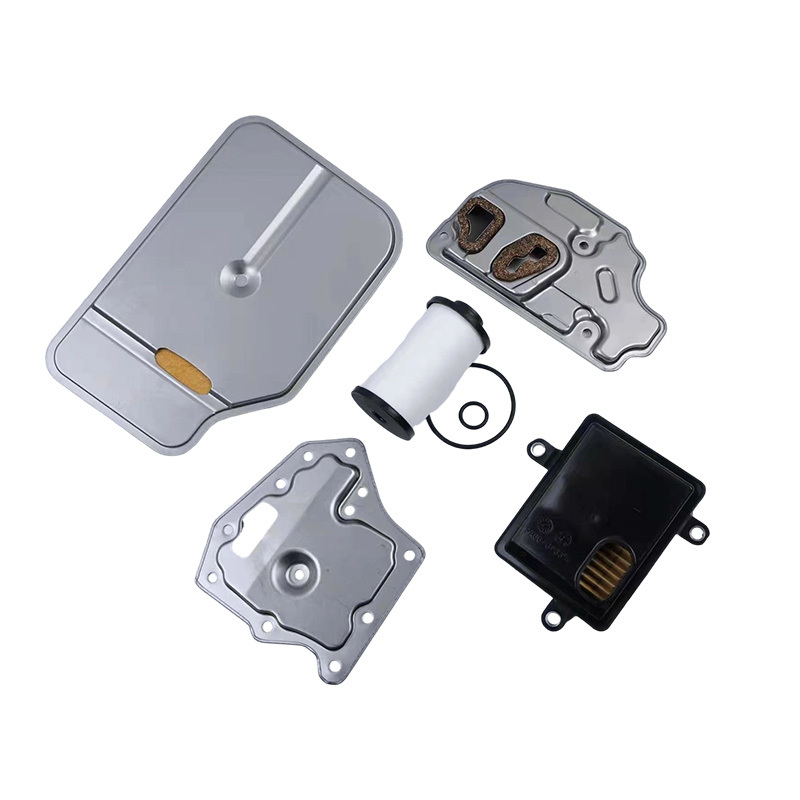
What the screen actually does
The transmission filter screen filters transmission fluid to protect gearbox internals and maintain shift quality. It is a screen — specified by nylon-mesh pore rating and fluid flow, not a percentage efficiency — and its job is to stop debris from circulating through the valve body and clutch packs where it causes wear and rough shifting.
It is replaced as part of a transmission service, typically together with the pan gasket. Because dropping a transmission pan is labor-intensive, the filter and gasket are usually sold as a service kit, and the job is done once per service interval — not a frequent consumable.
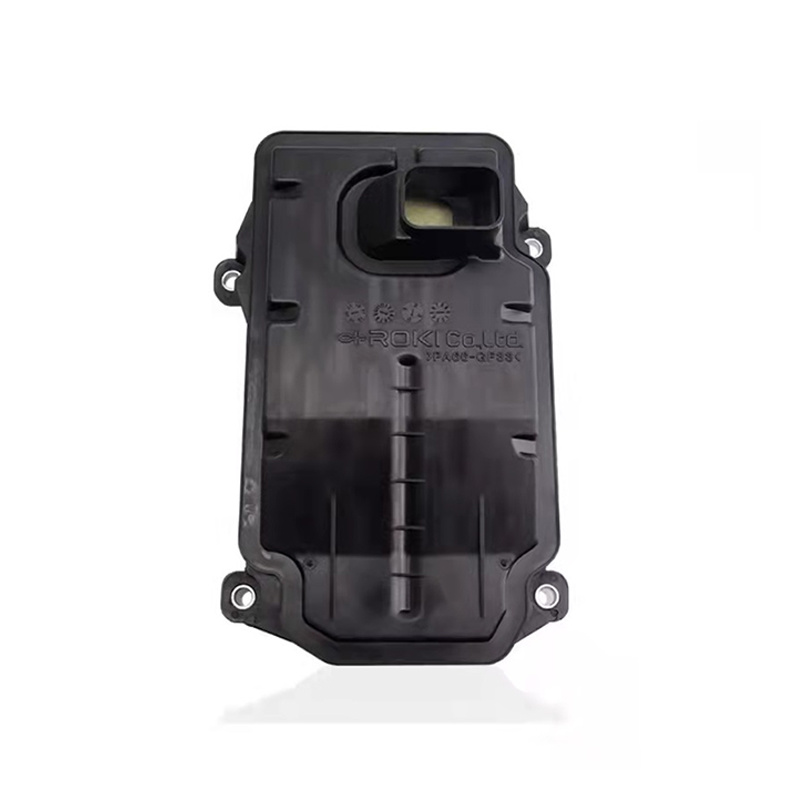
Why the gasket is half the product
In this category the gasket is as important as the screen. A cork or rubber pan gasket must match the OE material for a leak-free reseal: rubber handles heat and resists hardening, while cork suits lower-heat applications. A mismatched gasket hardens and leaks, and because the labor to re-drop a pan is expensive, the gasket failure is costly even when the screen is fine.
Selling the filter together with the pan gasket as a kit raises the order value and removes the risk of a missing or mismatched gasket — the single most common complaint on transmission jobs. Most workshops prefer the kit for exactly that reason.
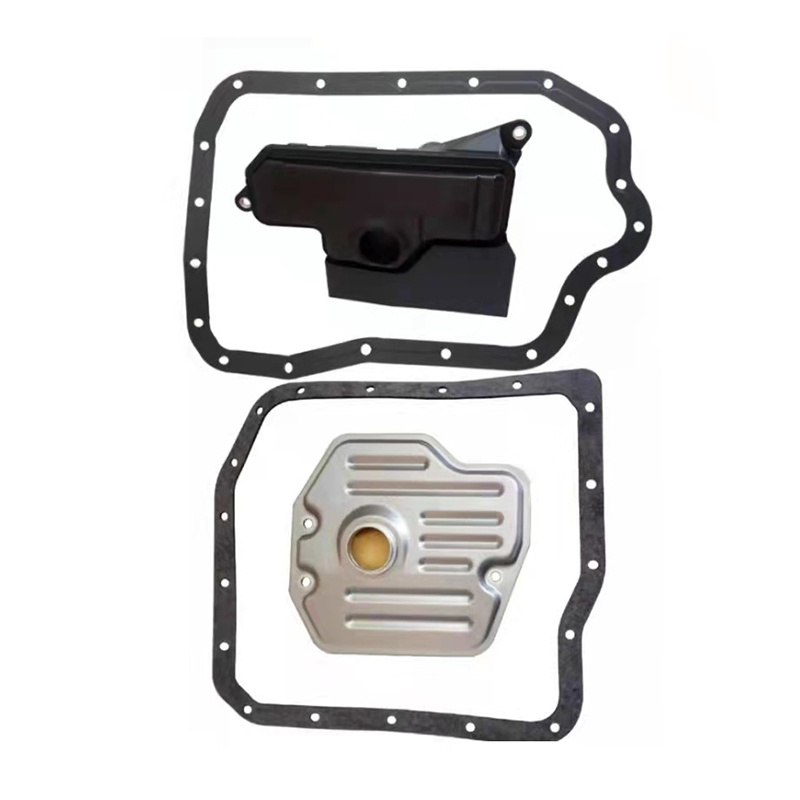
The fitment risk that costs buyers most
Transmission filters are transmission-specific, not vehicle-generic. A filter must match the exact transmission model — Aisin, ZF, GM and others — and its pick-up tube fitment, not just the vehicle. Quoting by vehicle model alone is how wrong fitments happen, and a filter that does not seat means a costly rework on a job where labor dominates.
This is the category where accuracy beats breadth. A clean, transmission-specific fitment table — forty precisely-cataloged filters, not two hundred loosely-matched ones — is what wins trust. Confirm the transmission model code or the OE filter number before quoting, every time.
Selling the kit, not the part
The right way to sell this category is as a service kit: screen plus the correct gasket, matched to the transmission, with the pore rating and pick-up fitment verified. That package is what a workshop actually needs, and it removes the missing-gasket failure that generates returns.
For storage, keep cork gaskets sealed and flat so they do not dry out or warp, and ship kits in rigid flat packs with dividers. A warped or dried gasket is a fitment failure on a job where the labor is the expensive part — small packaging discipline protects the whole service.