Blog › Oil Filter Selection
Oil Filter Selection
Spin-On vs Cartridge vs Heavy-Duty: A Stocking Guide to Oil Filter Types
Spin-on, cartridge and heavy-duty oil filters are three different products with three different jobs. Here is how to stock and match them for an export catalog.
October 22, 2026 · 6 min read
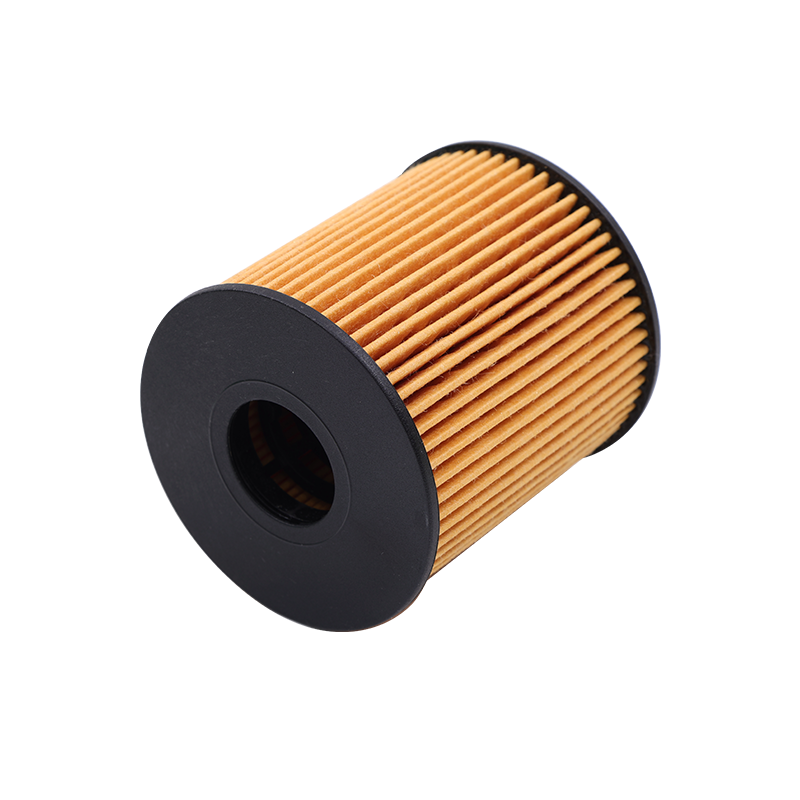
Three construction types, three jobs
The spin-on filter is a complete, sealed canister that threads onto the engine and is replaced whole — the most common type worldwide. The cartridge filter replaces only the media element inside a reusable housing, the dominant design on many European and Japanese vehicles. The heavy-duty filter is a larger spin-on built for trucks, construction and agricultural engines, with glass-enhanced media and a bigger thread.
The three are not interchangeable. A cartridge element will not thread onto a spin-on mount, and a passenger spin-on will not survive a heavy-duty engine’s flow and heat. Matching the OE design is the first and non-negotiable step in any oil-filter order.
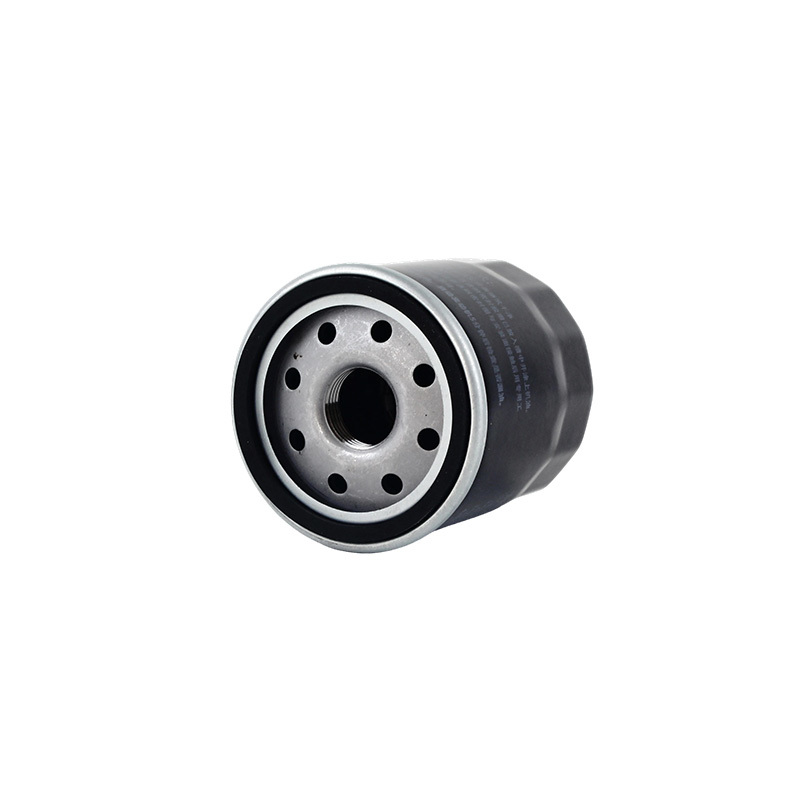
Reading the construction details
The details that separate a reliable filter from a cheap one live inside the can. A one-piece drawn steel shell is stronger and leak-resistant than a seam-welded or thin-walled shell. A calibrated bypass valve keeps oil flowing if the media clogs or the oil is cold, at the right opening pressure. An anti-drainback valve holds oil in the filter so cold starts are lubricated immediately.
None of these are visible on a shelf, which is why a buyer should ask for the construction spec and the test report — burst pressure, bypass calibration and 100% airtightness — rather than trusting a price. The heavy-duty tier adds glass-enhanced media for sustained high-load operation.
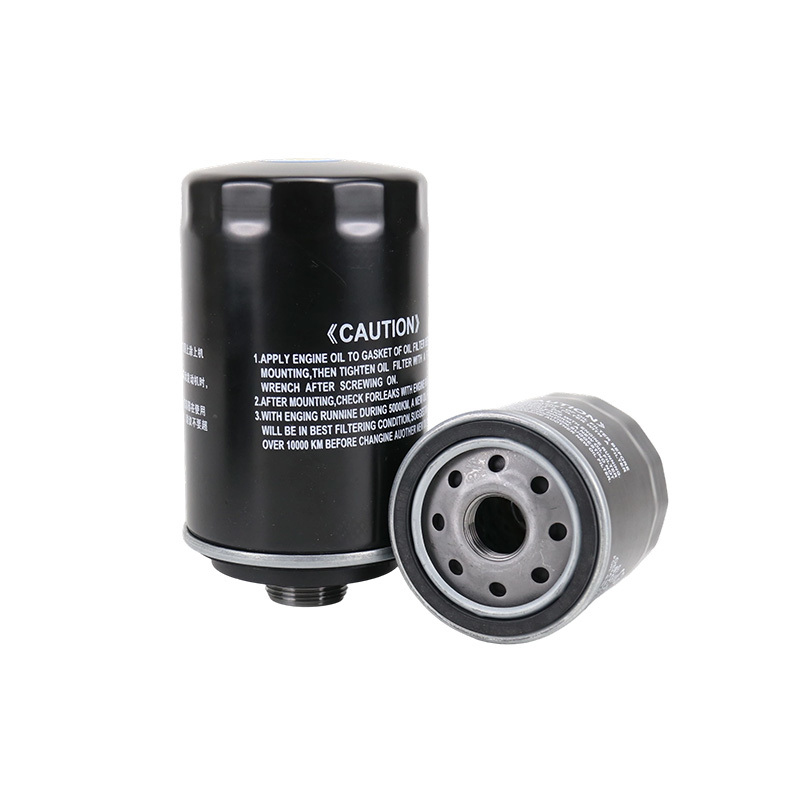
Stocking the right mix
A balanced catalog covers the market’s parc: spin-on for the volume passenger segment, cartridge for EU and Japanese models, and heavy-duty for trucks and machinery. The mix should follow the target market’s fleet composition, not a generic global average — an importer serving a European parc needs far more cartridge coverage than one serving a Middle Eastern passenger market.
Media grade is a second stocking axis. Standard cellulose serves normal intervals; composite and nano-fiber support extended drain intervals; glass-enhanced is the heavy-duty choice. Carrying the media ladder lets a distributor match filter to oil-change schedule and win on value rather than price.
The cold-climate line
For Russia, Central Asia and northern Europe, a dedicated cold-climate line is the sharpest differentiator. Cold oil is thick, so the anti-drainback valve and high-rebound NBR seal are the product — a filter that lets oil drain back or a seal that hardens at -40°C generates warranty claims fast.
Positioning a cold-climate oil filter as a distinct SKU, with its valve and seal called out on the spec sheet, is a more defensible offer than competing on price. It is the kind of market-specific line that wins repeat orders from distributors who have been burned by generic filters before.