Blog › Oil Filter Maintenance
Oil Filter Maintenance
Oil Filter Change Intervals: Matching the Filter to Oil, Engine and Duty Cycle
The oil filter is always replaced with the oil — but how long that interval is depends on the oil, the engine and the duty cycle. Here is how to match them.
October 21, 2026 · 6 min read
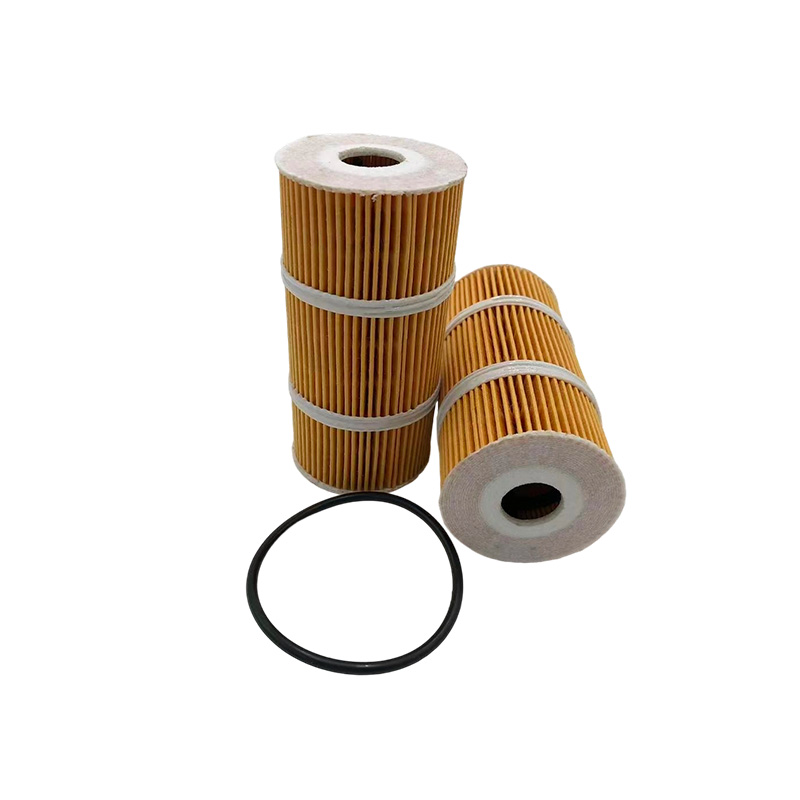
The interval follows the oil, not the calendar
The oil filter is almost always replaced together with the engine oil, so its interval is defined by the oil-change interval — and that interval is a range, not a number. A passenger car on standard oil might change every 5,000–10,000 km, while a modern engine on a long-life synthetic can run 15,000–30,000 km. The filter must be rated to last the full interval it is sold for.
This is the core matching problem: a filter whose media clogs or whose anti-drainback valve fails before the oil-change interval is a warranty risk. The media grade must follow the oil and the interval, not the cheapest quote.
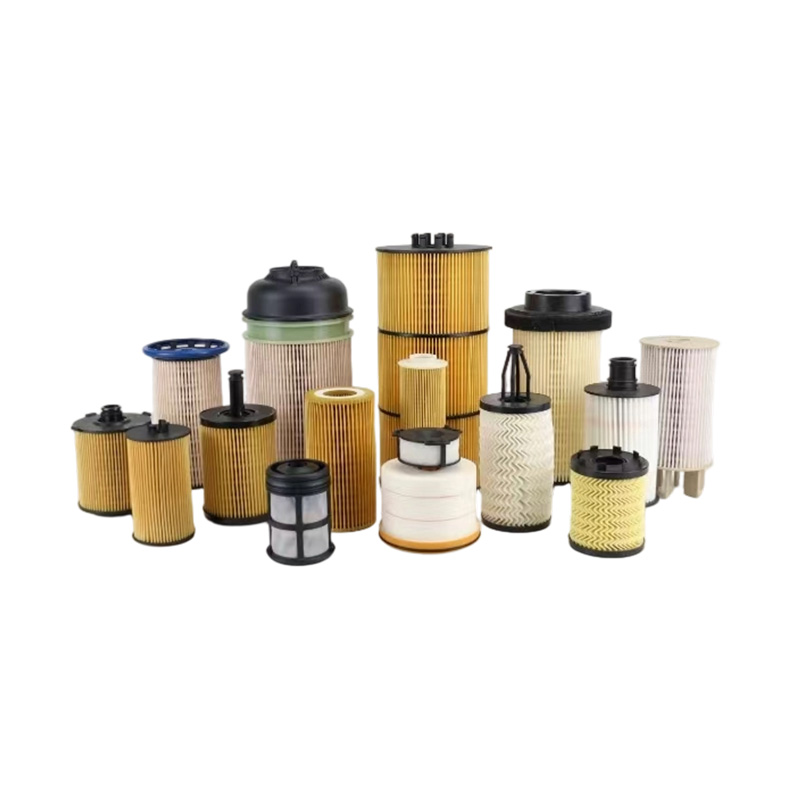
Duty cycle changes everything
Identical vehicles in different duty cycles can have very different real intervals. Constant highway driving is gentle on oil; stop-start city driving, towing, dust, extreme heat and cold starts are harsh and shorten the effective oil life. Fleets that work hard in dust or cold need a filter matched to a shorter, harder duty cycle.
Cold-climate markets add a specific demand: cold oil is thick, so the bypass valve and anti-drainback valve must behave correctly on a cold start, and the seal must keep its rebound at -40°C. A filter that is fine in a temperate market can be the wrong product in Russia or Central Asia.
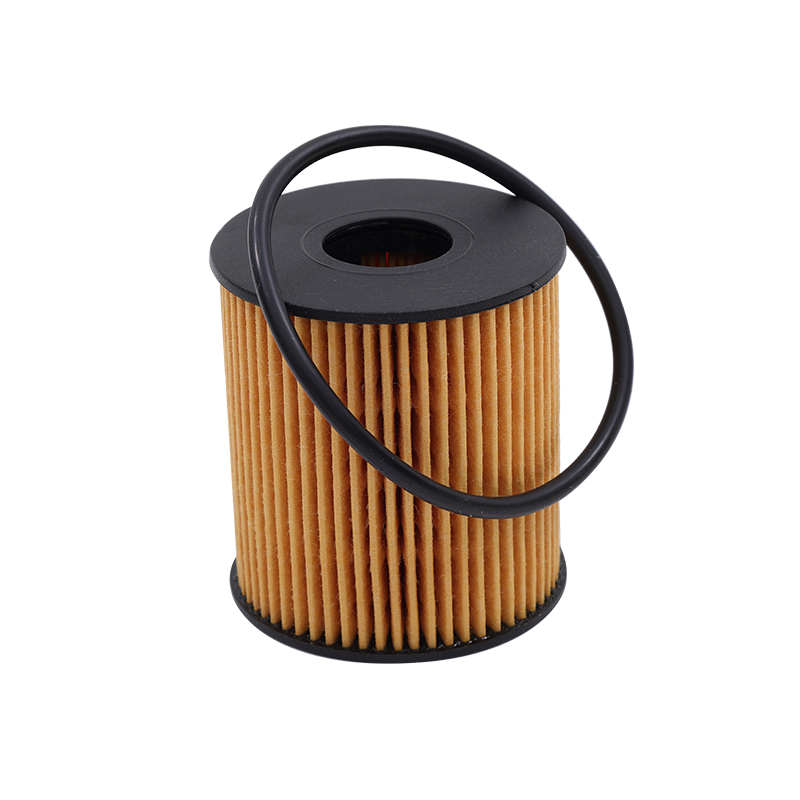
The cost of stretching the interval
The temptation is always to stretch the interval to save money. But a filter that collapses or clogs before the oil change means unfiltered oil circulating through bearings and turbochargers — the most expensive wear a fleet can buy. The filter is the cheapest component standing between the oil and a very expensive engine.
For an importer, the message to the distributor network is clean: match the filter to the oil and the duty cycle, and the interval becomes a scheduled, predictable reorder. That is the pattern that turns an oil filter from a one-off into a recurring consumable.
A merchandising opportunity for importers
The oil-change interval is a merchandising asset. A distributor who sells the filter as part of a service kit — filter plus the correct oil quantity — raises the order value and locks in the repeat purchase. Cold-climate, long-life and heavy-duty variants become market-specific lines rather than generic SKUs.
The exporter who helps the distributor match filter to interval is selling reliability and reducing warranty claims, not just moving boxes. That is a relationship, not a transaction.