Blog › Oil Filter Knowledge
Oil Filter Knowledge
Inside the Oil Filter: Bypass Valves, Anti-Drainback, and the Details That Separate Good from Cheap
An oil filter is the highest-consequence part in the catalog. Here’s how it works, and the five construction details that separate a reliable filter from a cheap one.
September 28, 2026 · 7 min read
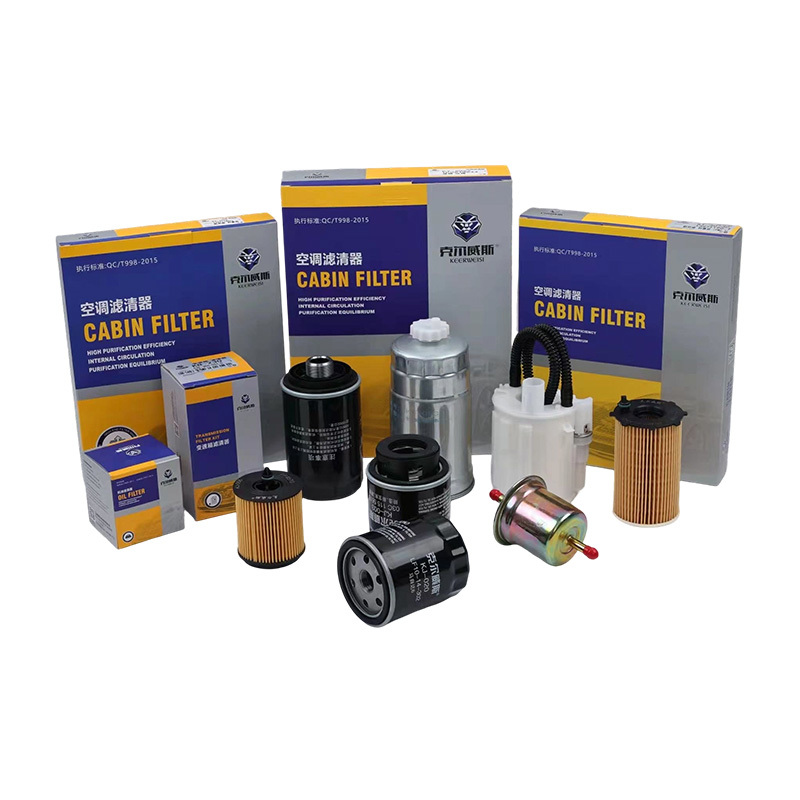
What the oil filter removes
Engine oil carries away more than heat: it suspends combustion soot, microscopic metal wear particles, dust that slipped past the intake, and the by-products of oil degradation. Left unfiltered, these particles circulate through bearings, turbochargers, cam lobes and piston rings, accelerating wear at every pass. The oil filter removes these contaminants and delivers clean oil to the parts that need it.
Because the oil pump runs continuously at pressure, the filter is always in the critical path. A failure here is not a comfort issue — it can destroy an engine. That is why the oil filter is the category where construction quality matters most.
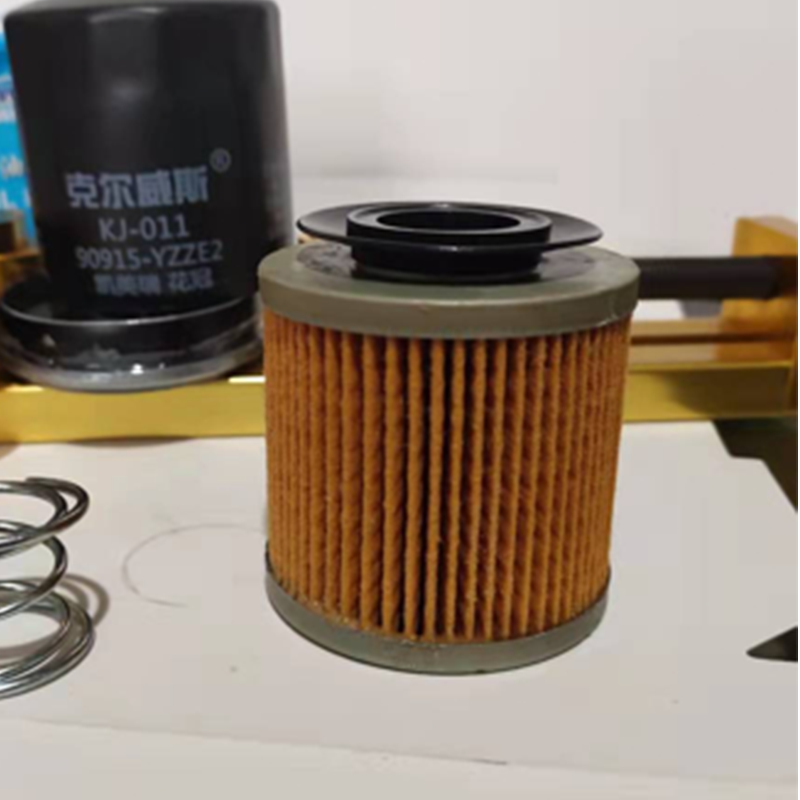
The bypass valve: the most misunderstood part
A bypass valve opens when the filter media is clogged, or when the oil is cold and thick, to maintain oil pressure and prevent oil starvation. It is not a defect — it is a protection mechanism. But the opening pressure must be calibrated to the engine: too low and oil bypasses filtration under normal conditions; too high and the engine starves when it should be bypassing.
Cheap filters often skip this calibration. The result is a filter that either never really filters, or that starves the engine on a cold start. A credible data sheet states the bypass opening pressure, and every good unit is tested against it.
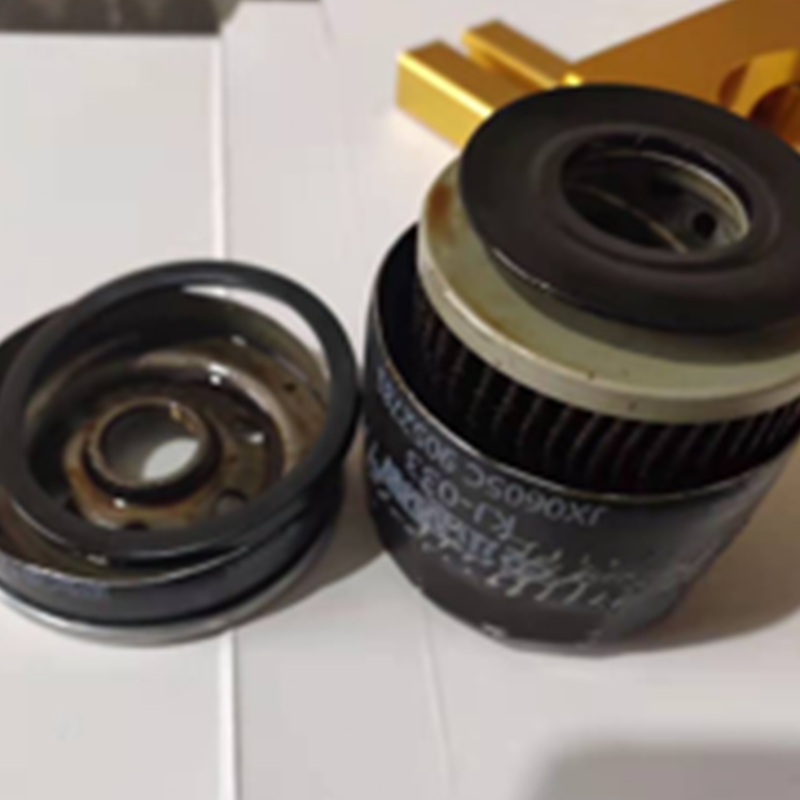
The details that separate good from cheap
Five construction details tell you most of what you need to know. First, the canister: a one-piece drawn steel shell is stronger and leak-resistant than a seam-welded or thin-walled shell. Second, the anti-drainback valve: it keeps oil in the filter so cold starts are lubricated immediately — essential on vertically mounted filters. Third, the seal: a high/low-temperature-resilient seal that keeps its rebound from -40°C to +150°C. Fourth, the end caps: thermoset plastisol bonds media to end caps for a rigid, collapse-resistant core. Fifth, the media: composite or nano-fiber media holds more contaminant and supports extended drain intervals.
None of these are visible on a shelf. That is why buyers should ask for the construction spec and the test report, not just the price.
Testing that backs the claim
A serious oil filter is verified with 100% airtightness testing, burst-pressure testing and bypass-opening-pressure calibration, with ISO 4548 multi-pass reports available for OEM projects. Efficiency should be stated as a beta ratio — for example "≥90% @ 20µm" — with the test reference attached.
For an exporter, these are the proof points that win an order against a cheaper, untested filter. They are also the difference between a repeat customer and a warranty claim.