Blog › Fuel Filter Maintenance
Fuel Filter Maintenance
Fuel Filter Failure Symptoms and Replacement Intervals: Diesel vs Gasoline
A failing fuel filter shows up as poor starting, low power and hesitation — but diesel and gasoline fail differently. Here is how to read the signs.
October 23, 2026 · 6 min read
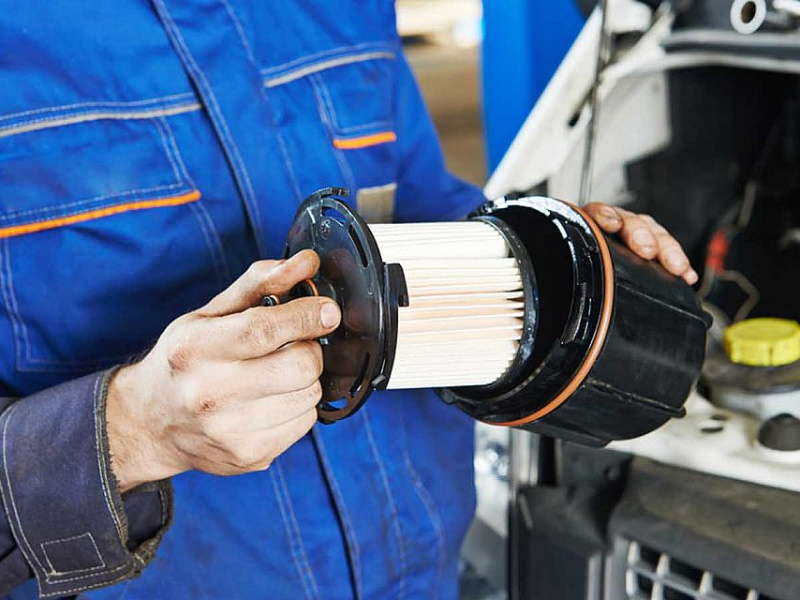
How a fuel filter fails
A fuel filter does not usually fail suddenly; it clogs gradually as it traps the contaminants and, in diesel, the water and sediment that poor-quality fuel carries. As restriction builds, fuel delivery drops, and the symptoms appear as the engine is starved: hard starting, hesitation under load, reduced power and, in severe cases, stalling.
The filter is doing its job even as it fails — the clog is the captured contamination. The mistake is leaving it so long that the restriction damages the fuel pump, which is far more expensive than the filter itself. This is the classic case where scheduled replacement is cheaper than reactive replacement.
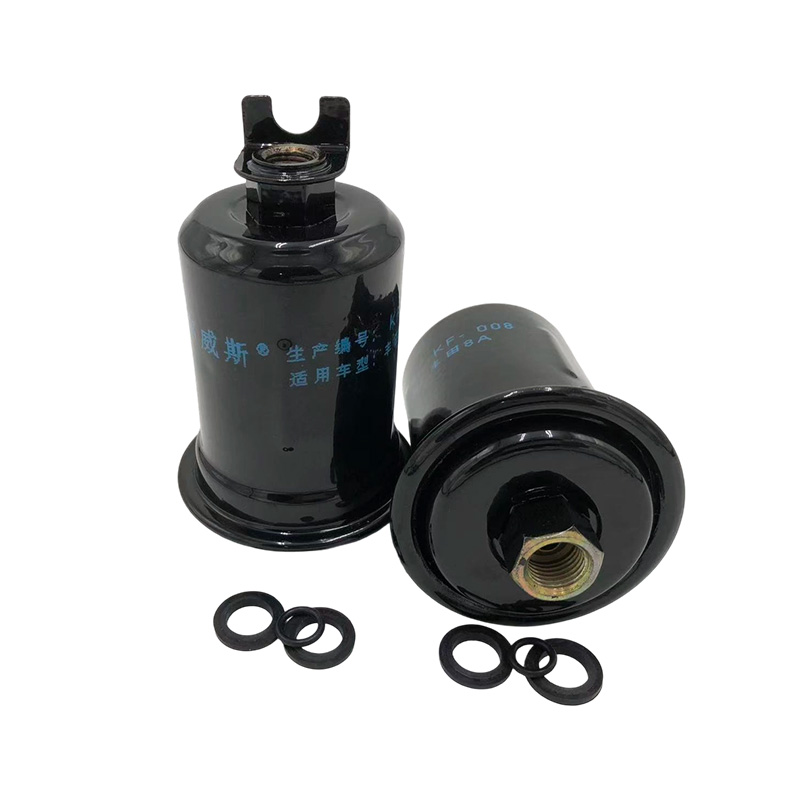
Diesel vs gasoline symptoms
Diesel and gasoline systems fail differently. A clogged diesel filter on a common-rail engine shows up as poor cold starting, rough running and loss of power under load, because the high-pressure injection system is starved of fuel. Water contamination adds injector corrosion and, at common-rail pressures, cavitation that erodes injector internals — the silent, expensive killer.
A clogged gasoline inline filter typically shows as hesitation on acceleration and difficulty maintaining speed under load, since the small in-line unit restricts flow to the pump. Both share the same underlying lesson: once the filter stops flowing, every kilometre adds wear to a pump or injector that costs far more than the part.
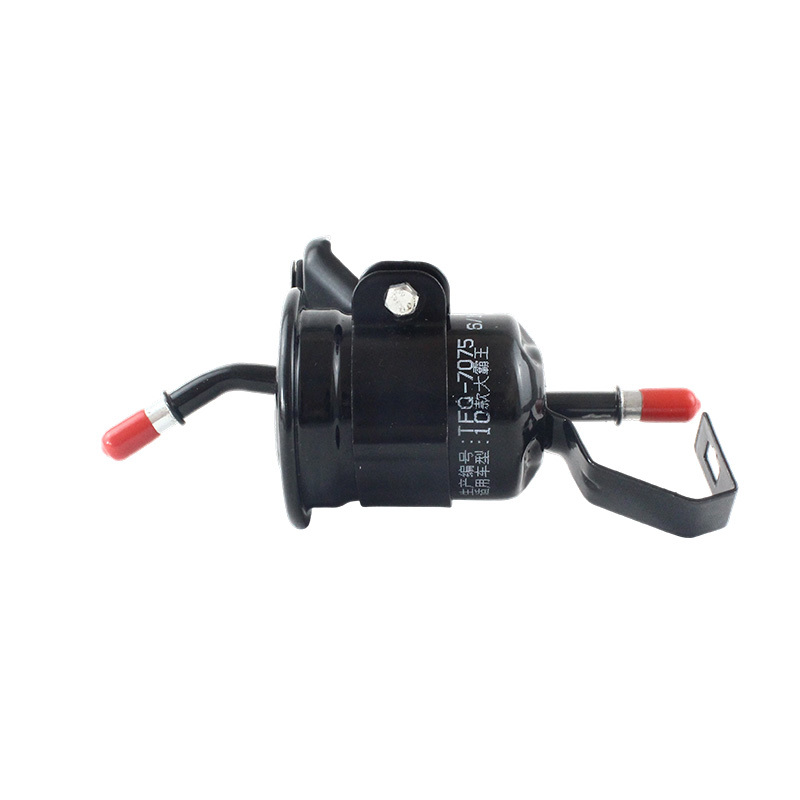
The interval question
Fuel-filter intervals vary widely by vehicle and market, from roughly every 20,000–40,000 km on many gasoline cars to shorter, more conservative schedules on diesels running poor fuel. The real driver is fuel quality: in markets with contaminated or high-sulfur diesel, the interval shortens sharply and the filter is often the first thing a fleet checks.
For an exporter, this is a merchandising lever. A replacement reminder tied to the market’s fuel quality turns a one-time SKU into a recurring consumable, and it positions the seller as a reliability partner rather than a box-mover.
Selling the fix, not just the part
The sales story for a fuel filter is protection, not price. A water-separator filter for a diesel fleet is cheap insurance against an injector replacement; an inline filter for a gasoline car protects the fuel pump. Anchoring on the cost of the failure — a pump, a set of injectors — reframes the filter as the cheapest component standing between the buyer and that bill.
Confirm the fitting type and fuel type before quoting: threads and quick-connect fittings are not interchangeable, and diesel and gasoline systems need different product. A correct match on the first quote is what keeps the customer coming back.