Blog › Cabin Filter Maintenance
Cabin Filter Maintenance
Cabin Filter Service: A Workshop and Distributor Guide to Faster Replacements
Cabin-filter replacement is usually quick, but access varies by vehicle and the carbon tier has storage traps. Here is how to sell and service it cleanly.
October 24, 2026 · 5 min read
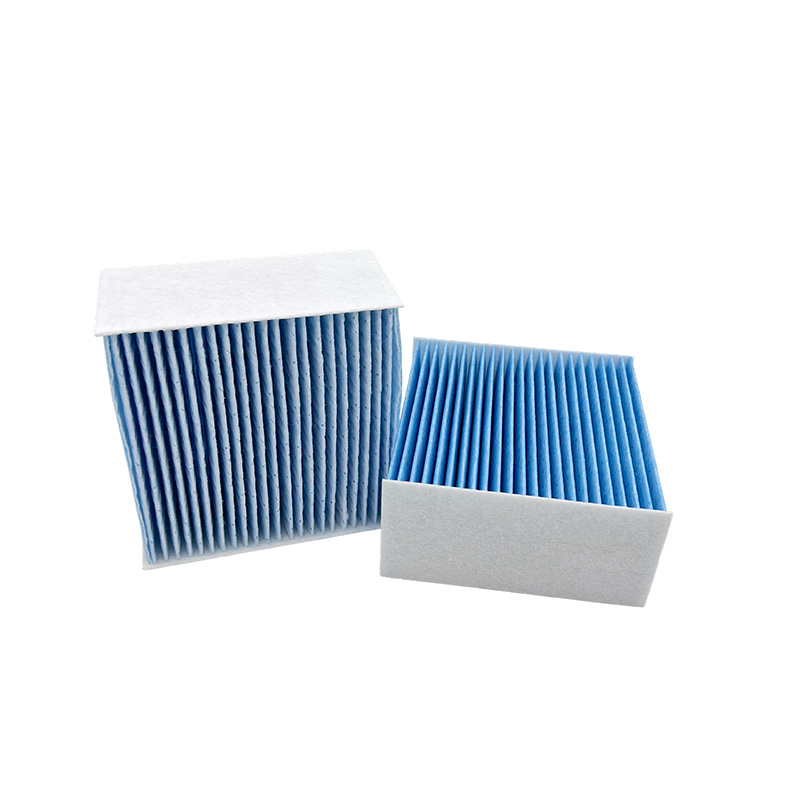
The service is fast — the access is the hard part
A cabin filter is usually a quick replacement, but access varies sharply by vehicle: some are behind a simple glovebox panel, others require removing trim or working behind the dash. The part is cheap; the labor and the risk of broken trim clips are what make the job feel hard. For a workshop, the filter is a high-margin add-on precisely because it is fast once you know the access path.
For a distributor, that access variance is a training opportunity. A catalog note or a short fitment guide that tells the workshop how the panel comes out turns a fiddly job into a routine one — and makes your SKU the one they reach for next time.
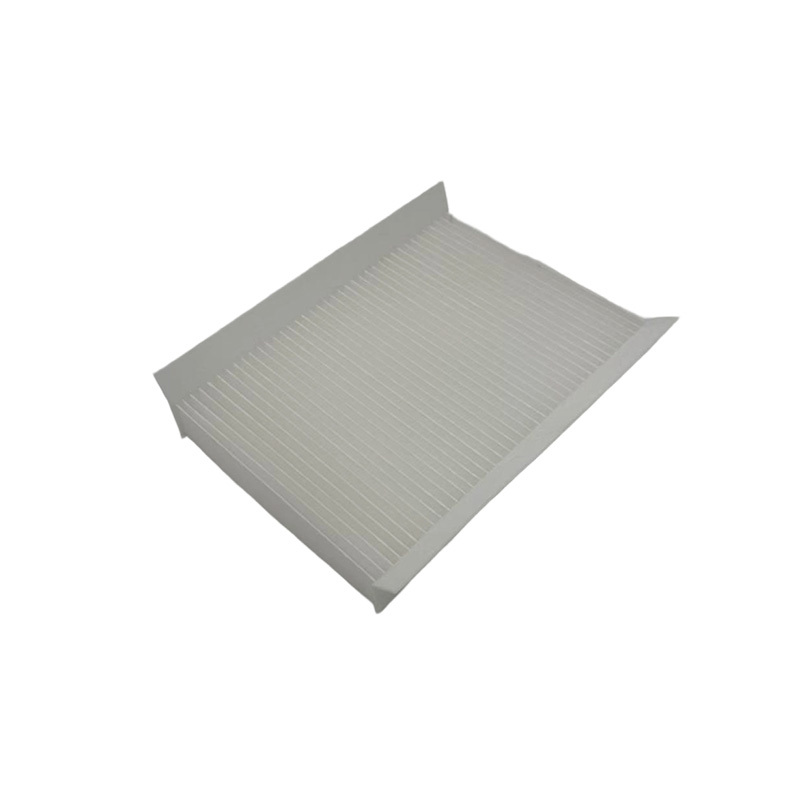
Training the network to spot the sell
The cabin filter is the easiest upsell in a service visit because the benefit is immediate and visible. A customer who complains of a musty smell from the vents, or who drives in heavy traffic, is a carbon-filter upgrade waiting to happen. The workshop that explains “cleaner cabin air” in one sentence converts a cheap part into a premium one.
The odor complaint is a diagnostic lead: it tells the workshop the filter has been left in too long, and it is the moment to sell a carbon filter as the upgrade that removes the smell, not just the particles. Distributors who arm their workshops with that one line move the whole category up a tier.
Avoiding the two returns that hurt this category
Two storage and handling mistakes generate most cabin-filter complaints. The first is pre-saturated carbon: activated carbon adsorbs moisture and odors from the surrounding air, so a filter stored unsealed near solvents or fuels arrives useless. Keep carbon filters sealed in polybags, away from chemicals and humidity.
The second is warped panels. Thin, wide cabin filters bend under stacking; a warped panel will not seat in its housing and is an avoidable return. Store panels flat and ship them in rigid sleeves. These are small disciplines, but they protect a product whose entire value is clean air.
Turning service into a reorder
A realistic, published change interval — 12–24 months, or shorter in polluted cities — turns the cabin filter into a scheduled reorder rather than a one-off. In heavy-traffic cities the interval can halve, which is a recurring revenue stream for the workshop and the distributor alike.
The exporter who ships the filter with a clear interval and a simple access note is doing more than moving product; they are building a repeat-purchase cycle that a box-mover never gets.