Blog › Air Filter Trends
Air Filter Trends
The Nano-Fiber Shift: Why Air Filtration Is Moving Up-Market for Exporters
Synthetic and nano-fiber media, longer service intervals and tighter efficiency claims are reshaping the air-filter category. Here is what the shift means for sourcing.
October 20, 2026 · 5 min read
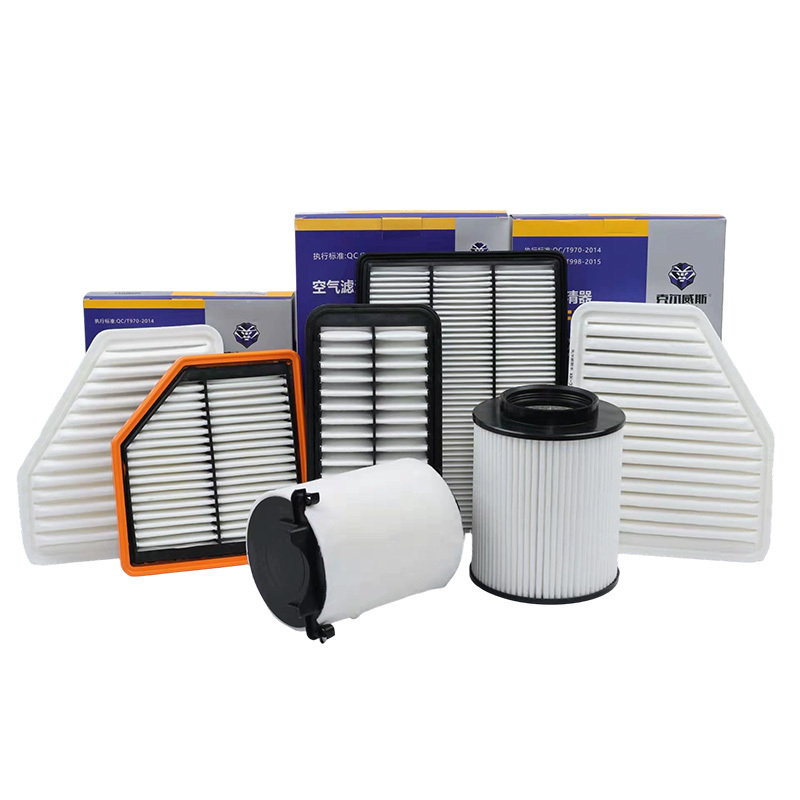
The economics of dust-holding
The air-filter category is quietly moving its value proposition from efficiency-at-a-point to dust-holding over a service life. Efficiency tells you how well the media catches particles; dust-holding capacity tells you how long it keeps catching them before restriction climbs. In high-dust markets, the second number is what actually sets the service interval.
Nano-fiber and synthetic-blend media hold more dust per unit of media area than plain cellulose, which means a longer interval for the same box size. For a fleet owner that difference translates directly into fewer filter changes and less downtime — which is why premium media is winning share even in price-conscious markets.
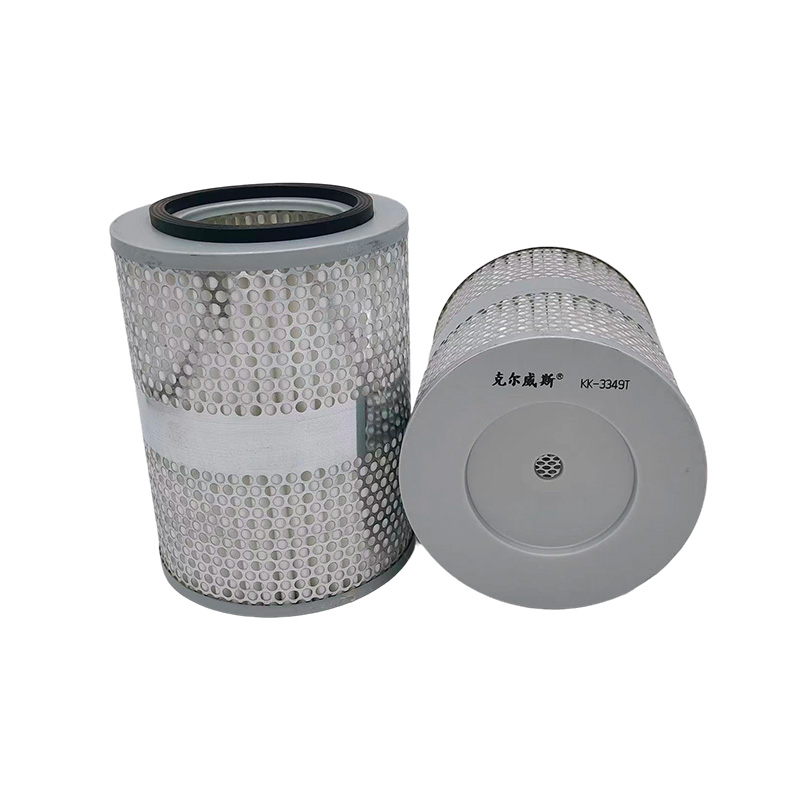
What is driving the upgrade
Three forces are pushing the category up-market. First, modern engines are more sensitive to fine abrasives, so the cost of a bypassing filter is higher. Second, fleets are consolidating maintenance and favoring longer service intervals to cut labor. Third, buyers are increasingly asking for test reports up front, which rewards manufacturers who can prove performance rather than assert it.
The practical result is that the old default — cheapest cellulose — is losing ground to nano-fiber and composite media, especially in the dusty export corridors of the Middle East, Africa and South America. This is not a fad; it is the category catching up to what heavy-duty buyers have known for years.
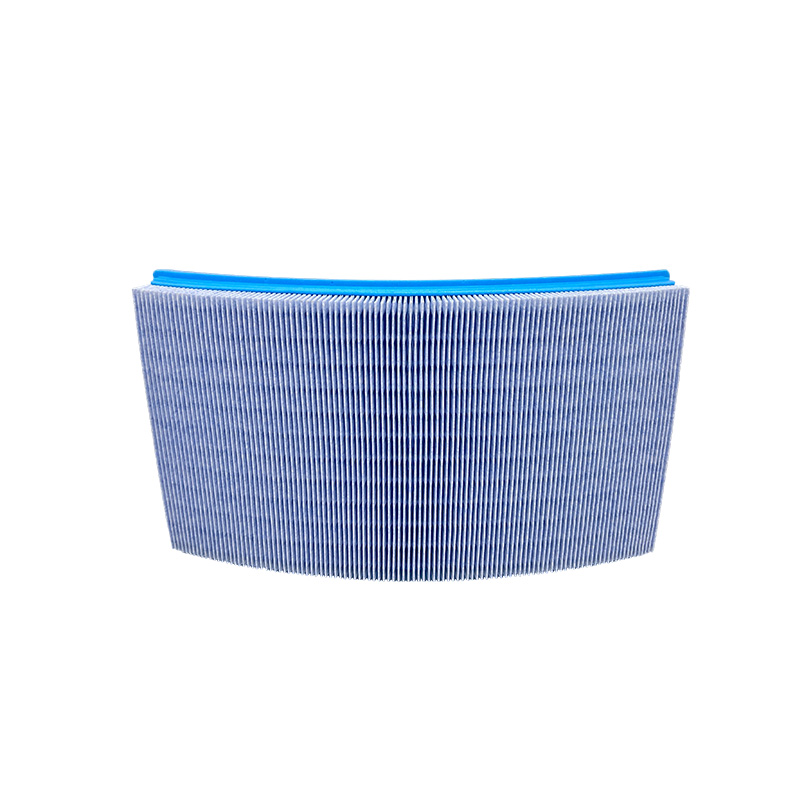
How to position the premium line
The strongest way to sell the premium line is not to argue about media chemistry but to anchor on total cost of ownership. A nano-fiber element that lasts longer and protects better is cheaper per kilometre than a cellulose element replaced twice as often. That framing turns a higher unit price into a lower lifetime cost.
For a distributor, carrying both a standard and a premium tier is the right structure: the standard tier wins the price-sensitive bid, and the premium tier captures the buyer who has learned that a clogged, high-dust filter is a false economy. It also gives the sales team a natural upsell instead of a flat catalog.
Reading the trend without overcommitting
The mistake is to read the trend and dump the cellulose line entirely. Temperate, low-dust markets still buy standard media on price, and a catalog that only carries premium SKUs prices itself out of that volume. The right response is a tiered line: entry cellulose, mid nano-fiber, and a heavy-duty safety-layer element for the harshest fleets.
The exporter’s edge is knowing which tier each market actually needs — and being able to say, on the spec sheet, exactly why. That is the difference between riding the trend and being washed along by it.