Blog › Air Filter Knowledge
Air Filter Knowledge
How an Air Filter Actually Protects an Engine — and Why It Matters to Your Buyers
The air filter is the engine’s first line of defense. Here’s what it does, how media grade and pleat density change performance, and how to explain the value to a cost-conscious importer.
October 6, 2026 · 6 min read
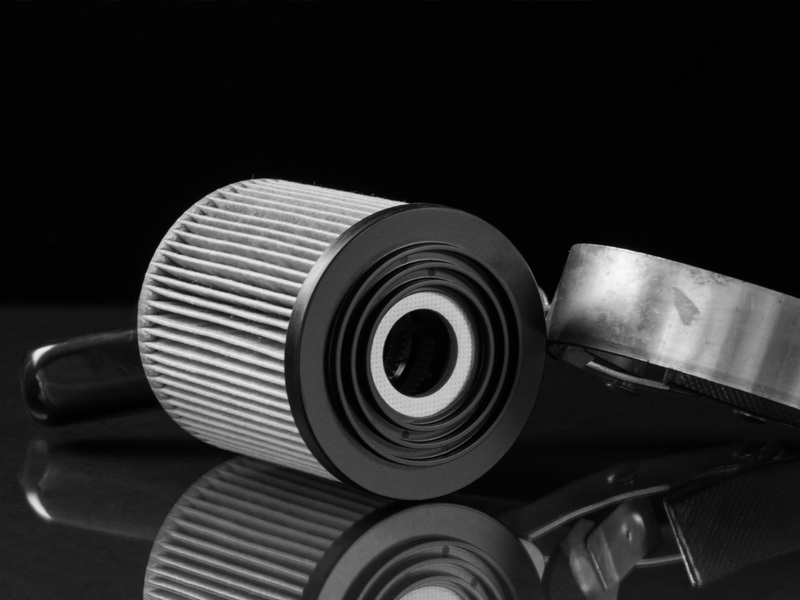
What the air filter is protecting
An engine is an air pump first and a combustion machine second. For every litre of fuel burned, a gasoline engine draws in roughly 9,000–10,000 litres of air; a diesel draws even more. Every cubic metre of that air carries dust, sand, pollen and abrasive particles. The air filter’s job is to strip those particles out before they reach the cylinder walls, piston rings and bearings — where they act as a fine grinding paste.
The consequence of letting abrasives through is invisible and cumulative: ring and cylinder wear accelerates, compression drops, oil consumption rises, and the engine consumes more fuel for less power. A cheap air filter that bypasses dust is therefore not a saving — it is deferred engine damage. That is the framing that wins over a cost-driven buyer: the filter is the cheapest component standing between road dust and a very expensive overhaul.
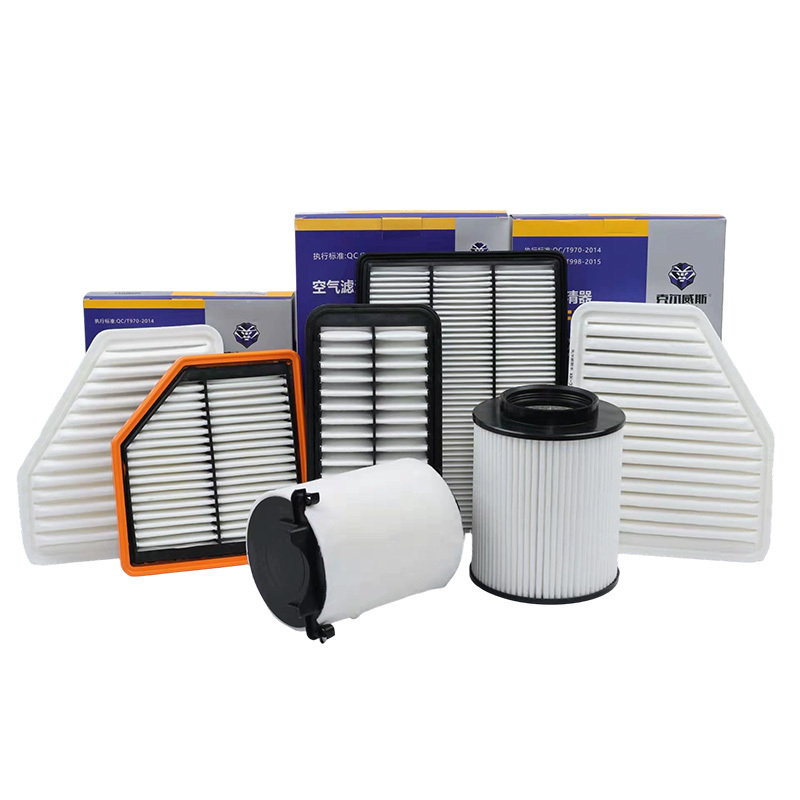
How media grade changes the product
Air-filter media comes in three practical grades. Standard resin-impregnated cellulose is the workhorse: adequate filtration at the lowest cost, well suited to temperate markets with moderate dust. Nano-fiber composite adds a fine surface layer that catches the smallest, most damaging particles while holding more dust per unit area — the right call for desert and construction environments. A safety layer, common on heavy-duty round elements, protects the main media and keeps the engine safe if the outer layer is damaged during service.
Pleat density matters as much as media. More pleats mean more media area in the same box, which lowers restriction and extends service life. Two filters of the same outside dimensions can differ sharply in dust-holding capacity depending on pleat count and media grade — which is why the cheapest quote is rarely the best value.
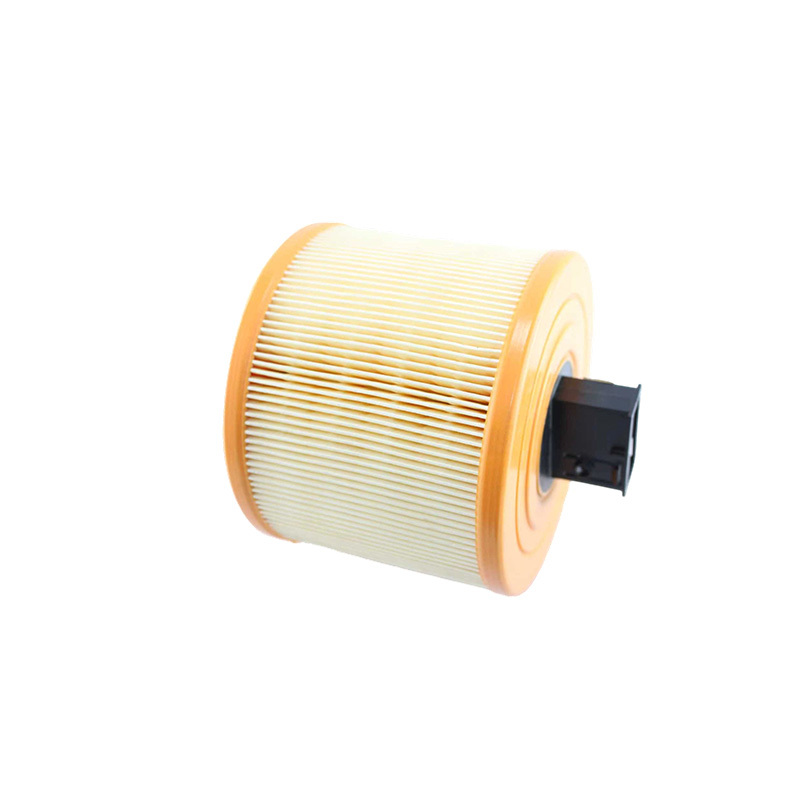
The specs a buyer should ask for
A credible air-filter data sheet cites the test standard (ISO 5011 or SAE J726), the test dust, and the efficiency at a stated micron level. "≥99%" without those references is marketing. Buyers selling into dusty markets should also ask for dust-holding capacity in grams, because that — not the sticker efficiency — is what determines the real service interval.
Fitment is equally non-negotiable: a panel filter that is even 2 mm off in any dimension lets unfiltered air bypass the element. The practical check is an OE-number cross-reference plus a physical sample approval before mass production.
Selling the value, not the box
Export buyers do not buy an air filter; they buy engine protection, fuel economy and fleet uptime. The strongest sales position is to anchor on total cost of ownership: a nano-fiber element that costs a little more but lasts longer and protects better is cheaper per kilometre than a cellulose element replaced twice as often. That is a story an importer can repeat to their own customers — and it is the difference between a price war and a margin.